Korean Bibimbap
Highlighted under: Authentic Global Cuisine Ideas
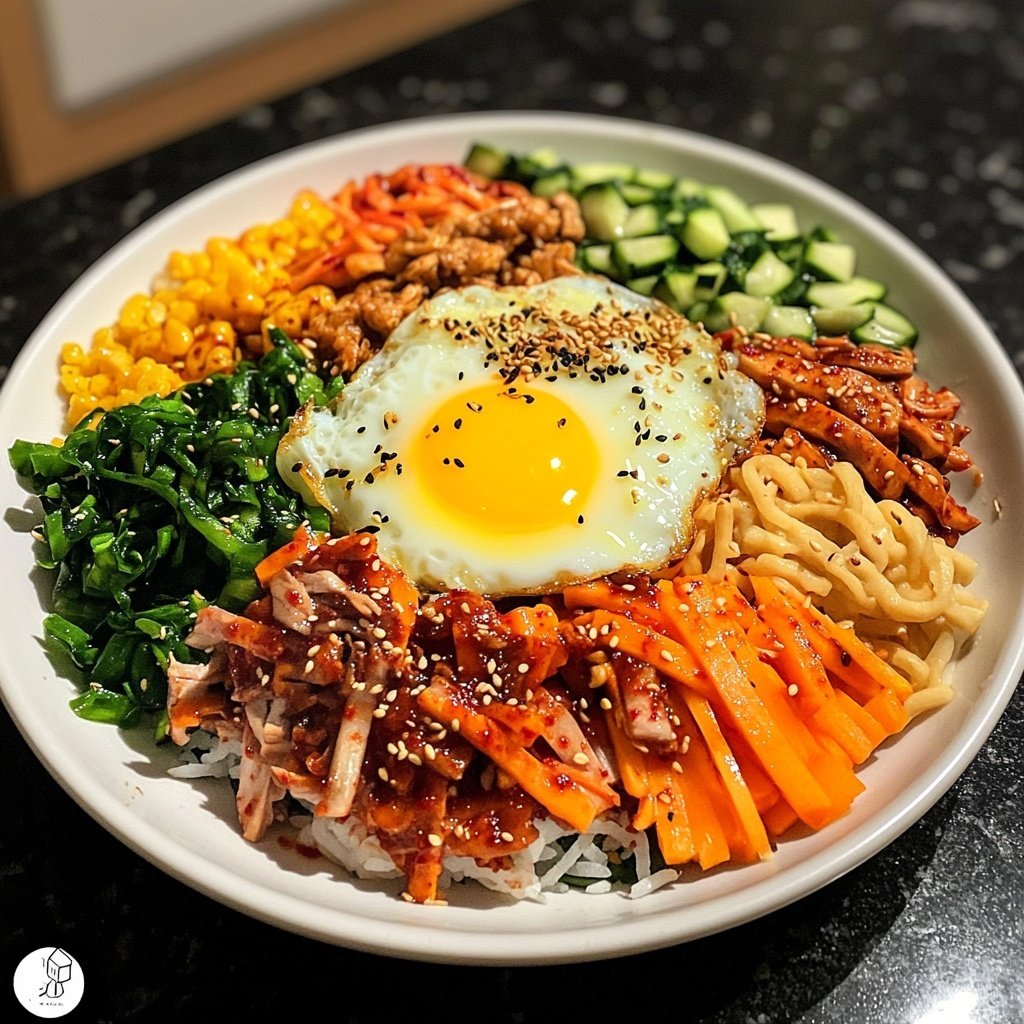
Korean Bibimbap is a vibrant and nutritious dish that combines rice with a variety of vegetables, meats, and a fried egg, topped with spicy gochujang sauce.
Korean Bibimbap is not just a meal; it's an experience. The vibrant colors of the vegetables paired with the rich flavors of the meat and the kick of gochujang create a dish that is both beautiful and delicious.
Why You'll Love This Recipe
- A colorful array of fresh vegetables for a nutrient-packed meal
- Customizable with your choice of protein or tofu for a vegetarian option
- Delicious contrast of flavors and textures in every bite
The Essence of Bibimbap
Bibimbap, which translates to 'mixed rice,' is a beloved dish in Korean cuisine that embodies the principles of balance and harmony. The dish is known for its vibrant colors, representing the various food groups and nutrients required for a well-rounded meal. Each ingredient brings its unique flavor and texture, creating a delightful eating experience. The combination of fresh vegetables, savory meat, and a perfectly fried egg makes it not only visually appealing but also incredibly satisfying.
The traditional serving of bibimbap is often accompanied by gochujang, a spicy and slightly sweet Korean chili paste. This ingredient adds depth and complexity to the dish, enhancing the overall flavor profile. As you mix the ingredients together, the heat from the gochujang melds with the other components, creating a symphony of tastes that captivates the palate. Whether enjoyed at a bustling Korean restaurant or prepared at home, bibimbap is a dish that celebrates the essence of Korean cooking.
Customizing Your Bibimbap
One of the best aspects of bibimbap is its versatility. You can easily customize it to suit your dietary preferences or the ingredients you have on hand. While the classic version often includes beef, feel free to substitute it with chicken, pork, or even tofu for a plant-based option. The choice of vegetables can also be adjusted; common additions include radish, bell peppers, or even kimchi for a tangy twist.
Moreover, the spice level can be tailored by adjusting the amount of gochujang you use. If you're sensitive to heat, start with a small amount and gradually add more to find the balance that suits you. This adaptability makes bibimbap an excellent dish for family gatherings, where each person can create their own bowl tailored to their taste, ensuring everyone leaves the table satisfied.
Serving Suggestions
Bibimbap is a fantastic dish to serve at gatherings or family meals due to its vibrant presentation and interactive nature. Consider serving it in individual bowls, allowing each guest to mix their ingredients according to their preference. This adds an element of fun to the dining experience, as everyone can create their unique bowl of flavors.
Pair your bibimbap with traditional Korean side dishes like kimchi or pickled vegetables to enhance the meal. A refreshing cucumber salad or a light miso soup can also complement the dish beautifully. For beverage options, consider serving it with Korean barley tea or a light lager to balance the spicy flavors of the bibimbap.
Ingredients
Ingredients
For the Bibimbap
- 2 cups of cooked jasmine rice
- 1 cup of spinach, blanched
- 1 cup of carrots, julienned
- 1 cup of zucchini, julienned
- 1 cup of shiitake mushrooms, sliced
- 1 cup of bean sprouts, blanched
- 4 eggs
- 200g of beef (or tofu for a vegetarian option), thinly sliced
- 2 tablespoons of sesame oil
- Gochujang (Korean chili paste) to taste
- Sesame seeds for garnish
- Green onions, finely chopped for garnish
Feel free to add or substitute any of your favorite vegetables!
Instructions
Instructions
Prepare the Vegetables
In a skillet, heat 1 tablespoon of sesame oil over medium heat. Stir-fry the carrots, zucchini, and mushrooms separately until tender, about 3-5 minutes each. Season with salt and set aside.
Cook the Beef
In the same skillet, add the remaining sesame oil and cook the beef until browned, about 5 minutes. Season with salt and pepper. If using tofu, sauté until golden instead.
Fry the Eggs
In another pan, fry the eggs sunny-side up until the whites are set but the yolks are still runny.
Assemble the Bibimbap
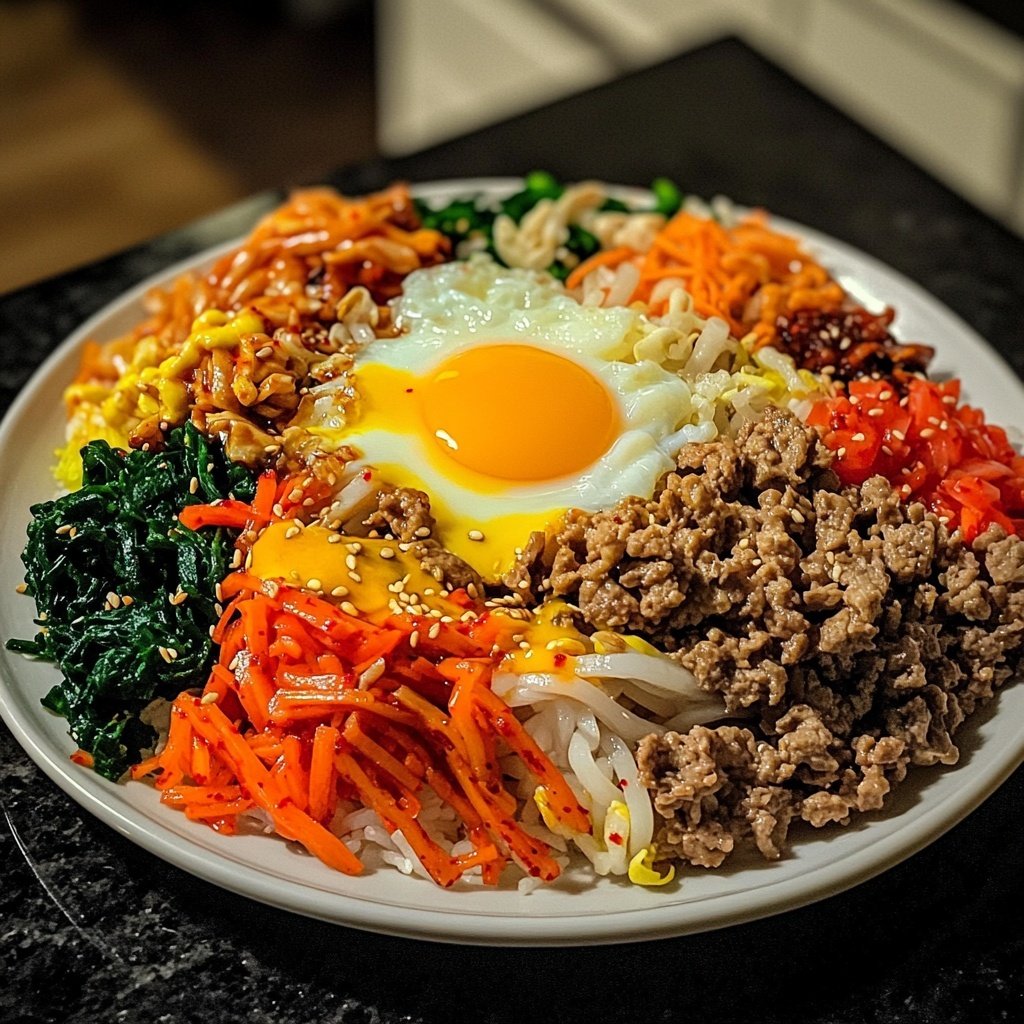
In a large bowl, place a serving of rice at the bottom. Arrange the blanched spinach, carrots, zucchini, mushrooms, and bean sprouts on top of the rice. Add the cooked beef (or tofu) and then top with a fried egg.
Add the Sauce
Drizzle with gochujang to taste and sprinkle with sesame seeds and green onions. Mix well before eating.
Enjoy your delicious and colorful Bibimbap!
Pro Tips
- For an extra kick, you can add more gochujang or a splash of soy sauce.
Storing Leftovers
If you find yourself with leftover bibimbap, you're in luck! The dish can be easily stored in the refrigerator for up to three days. To preserve the freshness of the ingredients, it's best to keep the components separate until you're ready to enjoy them again. Store the rice, vegetables, and protein in airtight containers, and keep the gochujang in a separate jar.
When you're ready to eat, simply reheat the rice and vegetables in a pan or microwave. You can add a splash of water to the rice to keep it moist. If you have eggs left over, consider frying a fresh one to top your reheated dish, ensuring you achieve that delightful runny yolk once more.
Nutritional Benefits
Korean bibimbap is not only delicious but also packed with nutritional benefits. The base of jasmine rice provides carbohydrates for energy, while the variety of vegetables contributes essential vitamins, minerals, and fiber. Spinach is rich in iron, while carrots and zucchini add antioxidants that help combat oxidative stress in the body.
With the option to include protein sources like beef or tofu, bibimbap can also be a great way to meet your daily protein needs. By including a fried egg, you add healthy fats and additional protein, making this dish a well-rounded meal option that supports overall health and wellness.
Questions About Recipes
→ Can I make Bibimbap vegetarian?
Yes! Simply substitute the beef with tofu or additional vegetables.
→ What can I do with leftovers?
Leftover Bibimbap can be stored in the fridge for up to 2 days. Reheat before serving.
→ Is Bibimbap healthy?
Bibimbap is a balanced meal packed with vegetables, protein, and healthy fats, making it a nutritious choice.
→ Can I use different vegetables?
Absolutely! Feel free to use any seasonal vegetables you enjoy.
Korean Bibimbap
Created by: Maribel Sutton
Recipe Type: Authentic Global Cuisine Ideas
Skill Level: Intermediate
Final Quantity: 4 servings
What You'll Need
For the Bibimbap
- 2 cups of cooked jasmine rice
- 1 cup of spinach, blanched
- 1 cup of carrots, julienned
- 1 cup of zucchini, julienned
- 1 cup of shiitake mushrooms, sliced
- 1 cup of bean sprouts, blanched
- 4 eggs
- 200g of beef (or tofu for a vegetarian option), thinly sliced
- 2 tablespoons of sesame oil
- Gochujang (Korean chili paste) to taste
- Sesame seeds for garnish
- Green onions, finely chopped for garnish
How-To Steps
In a skillet, heat 1 tablespoon of sesame oil over medium heat. Stir-fry the carrots, zucchini, and mushrooms separately until tender, about 3-5 minutes each. Season with salt and set aside.
In the same skillet, add the remaining sesame oil and cook the beef until browned, about 5 minutes. Season with salt and pepper. If using tofu, sauté until golden instead.
In another pan, fry the eggs sunny-side up until the whites are set but the yolks are still runny.
In a large bowl, place a serving of rice at the bottom. Arrange the blanched spinach, carrots, zucchini, mushrooms, and bean sprouts on top of the rice. Add the cooked beef (or tofu) and then top with a fried egg.
Drizzle with gochujang to taste and sprinkle with sesame seeds and green onions. Mix well before eating.
Extra Tips
- For an extra kick, you can add more gochujang or a splash of soy sauce.
Nutritional Breakdown (Per Serving)
- Calories: 500 kcal
- Total Fat: 20g
- Saturated Fat: 4g
- Cholesterol: 180mg
- Sodium: 600mg
- Total Carbohydrates: 65g
- Dietary Fiber: 5g
- Sugars: 4g
- Protein: 20g